
Defining Your Unique Thinking Style
Our Thinking
Our thinking style serves as the cognitive blueprint that dictates how we navigate the world, solve problems, and derive meaning from our experiences. Understanding the nuance of how you process information is the first step toward intellectual mastery. Below are the core pillars that define the architecture of a thinking style.
Logic and Structure
This refers to the scaffolding of your thoughts. Some individuals favor linear, deductive reasoning—building conclusions step-by-step—while others prefer non-linear or holistic frameworks that connect disparate ideas into a cohesive whole.
Ability for Abstraction
This is the capacity to move beyond the tangible. A high aptitude for abstraction allows a person to synthesize complex theories, recognize universal patterns, and conceptualize ideas that are not immediately present in their physical environment.
Analysis vs. Intuition
Most thinkers lean toward a specific “mode” of operation. The analytical thinker deconstructs problems into granular data points, prioritizing evidence and methodology. Conversely, the intuitive thinker relies on pattern recognition and “gut” synthesis, often arriving at conclusions through subconscious leaps.

Reaction to New Information
How does your mind treat the “new”? Some styles are inherently assimilative, eagerly integrating new data to update existing models, while others are more critical or defensive, requiring a rigorous vetting process before allowing new information to alter their established views.
Level of Self-Reflection
This is the meta-cognitive component—your ability to think about how you are thinking. A high level of reflection involves monitoring your own biases, questioning the validity of your assumptions, and consciously adjusting your mental approach when faced with different challenges.
Stability of Thought Patterns
This measures the fluidity versus the rigidity of your cognitive habits. A stable thinker provides consistency and reliability, while a more fluid thinker may shift perspectives rapidly, allowing for greater adaptability at the cost of long-term predictability.
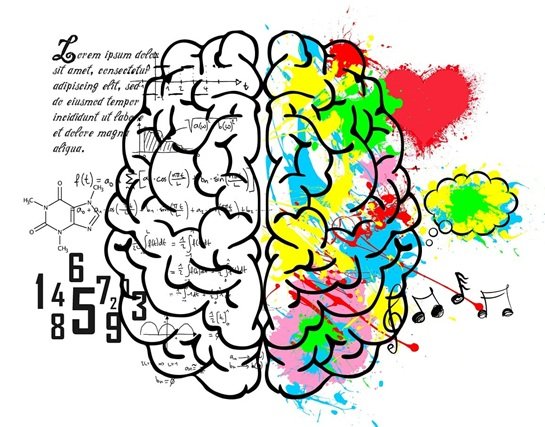
There is a profound, almost magnetic comfort that arises when two people operate on the same intellectual or intuitive wavelength. In these rare connections, conversation feels less like a structured exchange of information and more like a fluid, effortless dance where ideas are understood before they are even fully articulated. This alignment extends naturally into the realm of decision-making; because both individuals often evaluate the world through a shared lens of values and logic, reaching a consensus rarely requires heated negotiation or exhaustive explanation. This synchronization fosters a unique sense of ease, stripping away the friction of misinterpretation and the fatigue of constant clarification. When thoughts mirror one another, the relationship becomes a sanctuary of seamless interaction, characterized by a silent, underlying rhythm that makes navigating challenges feel intuitive rather than burdensome.
When two people think in similar ways, they often experience a rare and profound sense of intellectual resonance that elevates the quality of their connection. This cognitive alignment acts as a common language, allowing conversations to bypass the superficial and dive straight into the marrow of complex subjects. Because they share underlying frameworks for processing information, they rarely need to explain the “why” behind their thoughts; instead, they can focus on the “what if,” leading to debates that are both efficient and exhilarated. This clarity extends into decision-making, where the friction of conflicting values is replaced by a synchronized, intuitive approach. Rather than spending energy reconciling disparate perspectives, these individuals function like two parts of a single engine, navigating challenges with a streamlined confidence that turns collaboration into a seamless, generative pursuit.
Intellectual attraction is often described as the most profound form of intimacy, transcending the superficiality of physical chemistry to reach the core of how two people perceive the world. When two individuals share a similar cognitive frequency, conversation ceases to be a mere exchange of information and transforms into a dance of mutual discovery. It is the exhilarating sensation of finishing each other’s thoughts, not just out of familiarity, but because your mental frameworks align so seamlessly that you arrive at the same destination from different starting points. This synchronic way of thinking creates a unique sanctuary where complex ideas can be explored without the need for exhaustive explanations, fostering a rare sense of being “seen” that is deeply validating. Ultimately, this resonance forms a bedrock of companionship, ensuring that even as life evolves, the essential, shared language of the mind remains a constant, inexhaustible source of connection.